If you or someone you love has been recently diagnosed with coeliac disease, you could be eligible to receive gluten free foods on prescription. Simply select your country of residence, and, if you live in England, fill in your postcode to check if your area is prescribing.
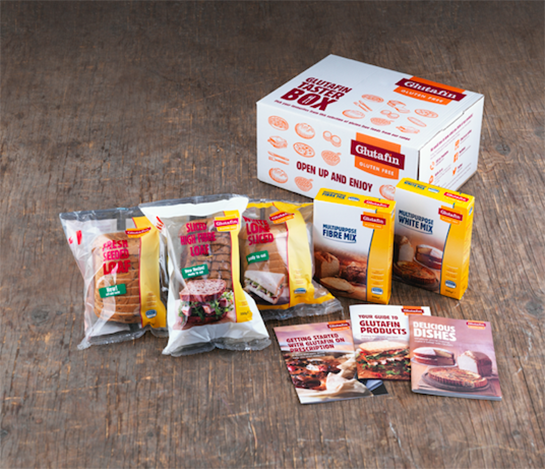
Your country is prescribing gluten free foods*. Request your Glutafin Taster Box by clicking the button below to sign up.
* Please note: local policies are constantly updated, and issuing a prescription is at the discretion of your GP.
When you have been diagnosed with coeliac disease, you’ll know how important it is to follow a strict gluten free diet. Even the smallest amount of gluten can trigger your symptoms, so your gluten free diet really does have to be followed to the letter.
If you’re sharing a house with people who haven’t been diagnosed with coeliac disease, then chances are they won’t be sharing your special diet. Which means that you need to be really carefulant to avoid cross-contamination.
What you need to look out for – even if you’re following a strict gluten free diet, your food could still become contaminated via the equipment in your kitchen. This includes everything from toasters to chopping boards, utensils to sieves and colanders. These are all places where crumbs or other small particles of gluten containing food can hide, undoing all your hard work!
What you can do – where possible, you should have separate kitchen equipment for preparing gluten free food. Make sure this is stored safely and clearly labelled so your family or flatmates know not to use it. If you don’t have the space (or the budget) for a separate toaster, use toaster bags to keep crumbs off your bread. If you can, replace your air fryer with a twin drawer model so you can keep one side exclusively for your gluten free food.
What you need to look out for – if your gluten free food is stored in the same place as your housemates’ standard foods, then there is a huge risk of cross-contamination. Just think of that puff of flour you get when you pick up the bag – it has to end up somewhere.
What you can do – ideally, you should have a separate cupboard for your gluten free foods. If this is not possible, then always claim the top shelf of the cupboard or fridge to avoid crumbs or flour dust dropping on your food. For extra protection, use airtight containers or bag clips to keep your food sealed away and safe.
What you need to look out for – bits of gluten can get trapped in all kinds of places, from the scratches on your work surface to the cuts in your chopping boards. The surface doesn’t have to look ‘dirty’ or have been recently used to put your gluten free diet at risk.
What you can do – if you can’t set aside a separate area for gluten free food prep, then you need to get into the habit of thoroughly cleaning surfaces before you start (and get your family or flatmates to clean up carefully after themselves too). Switching to glass chopping boards can cut down on surface scratches.
What you need to look out for – sharing food and food prep can hugely increase the risk of cross-contamination. From toast crumbs in your marmalade to bits of gluten in your pasta sieve, sharing food and food prep is just asking for trouble.
What you can do – it’s important to have separate spreads and sauces that are clearly marked as yours(even if they aren’t a special gluten free food). It’s also essential that you cook your gluten free food separately. For pasta, always use a separate pan with fresh water and strain it with a separate sieve. For pizza, line the oven shelf with foil to avoid crumbs from the rack. It may take a little longer and create a bit more washing up, but it’s well worth it.
If your food safety strategy is to be effective, it needs to be followed by everyone, not just the person who has been diagnosed with coeliac disease. Explain all the steps you have taken to keep your kitchen safe, and make sure everyone understands what they have to do and why it matters.
To find out more about kitchen safety when you’ve been diagnosed with coeliac disease, check out our video presented by Katie Kennedy, Glutafin’s expert dietitian.
Q. Can you safely share a kitchen when you have been diagnosed with coeliac disease?
A. Yes, you can, but you need to take steps to avoid cross-contamination, such as keeping gluten free food separately, having separate utensils and equipment and keeping your own spreads and sauces.
Q. Do I need a separate dishwasher for dedicated gluten free kitchen items?
A. No. A standard dishwasher will clean away any residual gluten proteins. For the safest cleaning, make sure you scrape off any excess food before loading.
Q. Does heat destroy gluten?
A. No. Standard cooking temperatures will not destroy gluten or make gluten containing foods safe if you have been diagnosed with coeliac disease. Gluten will survive deep fat frying and the hottest oven temperatures.
Q. Do I need to keep foods that don’t contain gluten separate?
A. Yes. Foods such as butter, spreads and jams may not contain gluten themselves, but they can easily become contaminated with crumbs when shared. Ideally, you should keep separate portions of these products exclusively for those on a strict gluten free diet.
Hi, I'm Sam Hobday and I've been an Ambassador for Dr Schar (Glutafin) for about 7 months now. Before coming...
The Department of Health (DoH) has launched a consultation to evaluate whether or not to continue to a provide gluten...
The Gluten Free Prescription In England Have Changed… The department of health and social care held a consultation into the...
If you or someone you love has been recently diagnosed with coeliac disease, you could be eligible to receive gluten free foods on prescription. Simply select your country of residence, and, if you live in England, fill in your postcode to check if your area is prescribing.
Your country is prescribing gluten free foods*. Request your Glutafin Taster Box by clicking the button below to sign up.
* Please note: local policies are constantly updated, and issuing a prescription is at the discretion of your GP.
Share this now: